
Deep-linked, not just the homepage
The tap lands on your review form with your business already selected, not on a search page the customer has to navigate.
Your best customers are not unhappy — they are busy. Searching for your listing, scrolling to the review button and signing in is four or five actions they will not take once they are out of the door. A card on the counter makes it one.
How was your visit today?
An NFC review card is a card, sticker or counter stand that opens your review page the instant a customer taps it with their phone. It removes the search, the scroll and the sign-in prompt that normally stand between a satisfied customer and a published review — and it asks at the moment they are most positive, while they are still with you. Asking for reviews this way is permitted by Google, Trustpilot and Tripadvisor, provided you do not incentivise reviews or screen out unhappy customers.
Google for local search. Trustpilot for e-commerce trust badges. Tripadvisor for hospitality and travel. You can run one, or let the customer choose — and you can switch destination later without replacing a single card.
The tap lands on your review form with your business already selected, not on a search page the customer has to navigate.
Show two or three options on one screen and let the customer pick the account they are already signed into.
Open a second location, rebrand, or decide Trustpilot matters more this quarter — change the destination, keep the cards.
Each card carries an identifier, so you can see taps by till, table, room, branch or team member.
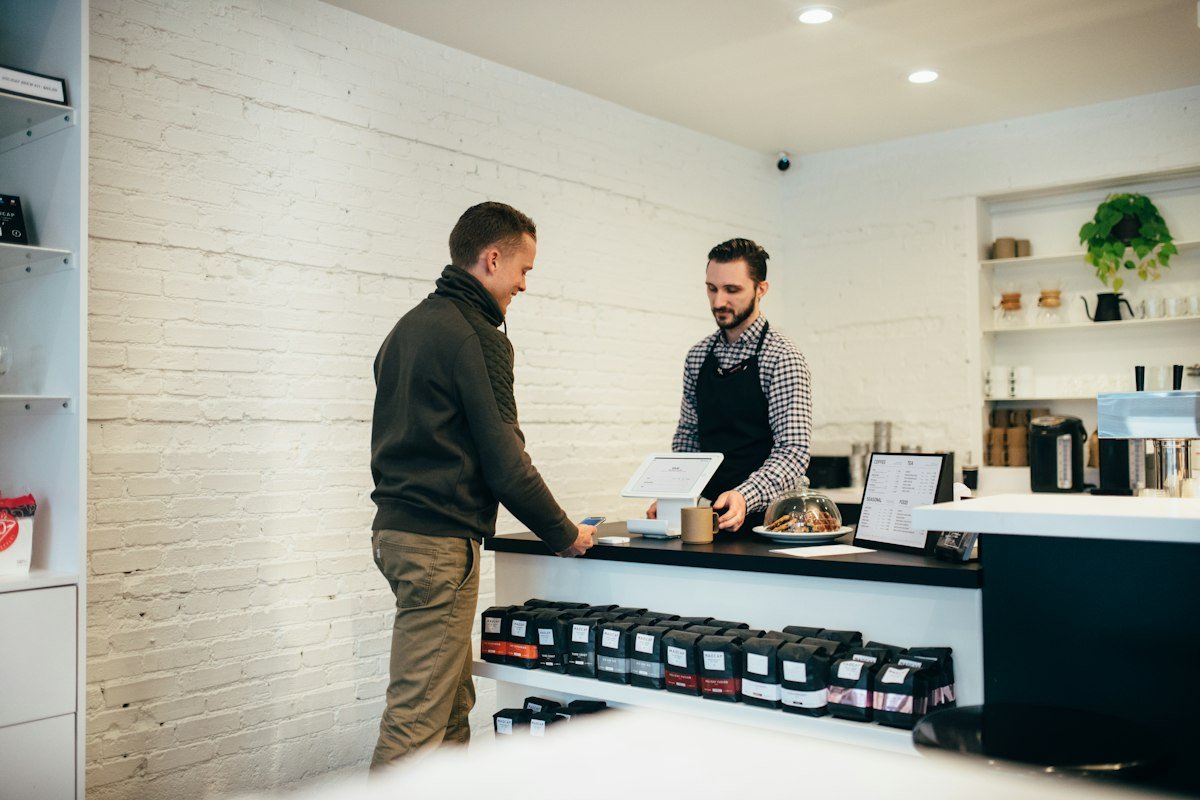
An email asking for a review arrives when the coffee is cold, the haircut is ordinary again and the moment has gone. A card on the counter asks while the customer is still smiling at the thing you just did well. Same customer, completely different answer.
Review platforms are strict and the penalties are real — removed reviews, suppressed listings, in some cases a warning on your profile. Our default setup is compliant by design, and we will tell you plainly if something you want to do crosses a line.
Asking "how did we do?" first and only showing the public review link to people who answered positively. It is the most common mistake in review collection and the fastest way to lose your reviews. Show both routes to everybody.

The format matters less than the position. It needs to be where the customer's hands and attention already are at the end of the experience.

A weighted stand on the table, a card in the bill folder, a sticker by the card machine. Ask as the plates are cleared, not as they reach the pavement.
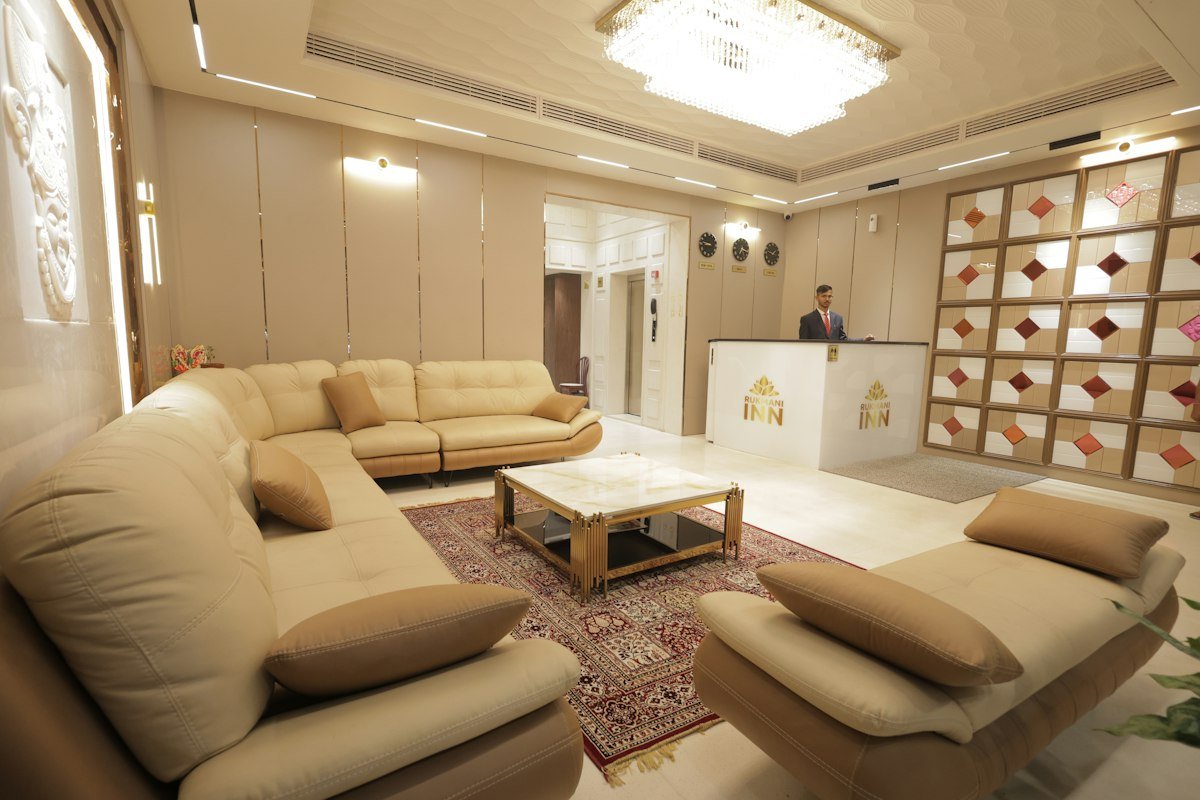
Reception at checkout, the key-card wallet, the in-room compendium. Tripadvisor and Google in one place, chosen by the guest.

At the station, on the payment counter, on the back of an appointment card. The best moment is the mirror moment, before they have even paid.
"If you've got a few seconds, tap your phone here." No awkward script, no QR code to explain.
A notification appears on the lock screen. One tap and your review page opens in their browser.
Google, Trustpilot or Tripadvisor — or straight through if you only collect on one.
They land on the live review form with your business pre-selected and already signed in on their phone.
Taps, destination clicks and card-level attribution land in your reporting, so you know which placements work.
Three things make a listing persuasive, and only one of them is the star rating. The other two are the ones most businesses neglect.
A 4.7 from eleven people reads as luck. A 4.7 from four hundred reads as a system. Volume is what turns a rating into evidence.
Shoppers sort by newest and read the top three. Glowing reviews from two years ago say nothing about the business you are running today.
"Great service" persuades nobody. "Asked for it without dairy and they remembered the next week" sells the place. Asking in the moment produces specific reviews.
Prospective customers read how you answer criticism more carefully than they read the criticism. A calm, concrete reply is worth more than a deleted review.
Your competitor is not beating you because their service is better. They are beating you because they ask and you do not.
Nothing about this is clever. It is just consistent.Scripts fail when they sound like scripts. Keep it short, quantify the effort honestly, and end with a physical instruction rather than a request for a favour.
Staff ask far more often when they are not afraid of being turned down. Tell your team explicitly that a refusal is a completely fine outcome and nobody should ever push twice. Counter-intuitively, that single instruction raises the number of asks more than any incentive scheme.
A flawless five-star profile reads as fake, and experienced shoppers actively distrust it. What they look for is how a business behaves when something has gone wrong — which means a negative review is an opportunity to demonstrate exactly that, in public, to everyone who reads it afterwards.
One café is a card on a counter. A group is a programme — and the thing that makes a programme work is being able to see which sites are actually doing it.
Reviews are not only social proof. For a business that depends on being found nearby, review volume, recency and velocity are among the signals that influence how prominently you appear in local results and on the map — alongside relevance and proximity, which you cannot change.
That is the quiet argument for review cards. You are not just collecting compliments; you are feeding the one ranking input you have direct, legitimate control over. A business that adds reviews steadily, every week, tends to look very different in six months to one that does not.
Including the compliance questions most suppliers would rather you did not ask.
A counter stand plus a handful of cards, set up against your live Google listing, is usually enough to prove the idea in a fortnight.
Ask about a starter packAsking customers for reviews is explicitly allowed — Google encourages businesses to ask. What is not allowed is incentivising reviews, filtering so only happy customers can post, or writing them yourself. Our cards take every customer to the same public review form, which keeps you on the right side of Google's policy and Trustpilot's and Tripadvisor's guidelines.
Yes. The card can open a simple chooser with your Google, Trustpilot, Tripadvisor, Facebook or Yelp listings, or route everybody to the one platform that matters most to you. You can change the destination later without replacing the cards.
Because every extra step loses people. Searching for the business, finding the right listing, scrolling to the review button and signing in is four or five actions in a noisy environment. A tap is one. You are also asking at the moment the customer is most positive — as they pay or as they leave.
Yes. Each card can carry its own identifier, so you can see taps by till, table, treatment room, branch or team member, and recognise the people who consistently create review-worthy experiences.
You can route the first screen to a private feedback form alongside the public review links, so a customer who had a poor visit can tell you directly. Both options must remain visible to everyone — hiding the public link from unhappy customers is review gating and breaches platform policy.
On the payment counter, in the receipt or bill folder, on restaurant tables, at hotel reception and in guest rooms, on salon stations, inside delivery packaging and on the back of staff lanyards.

One short call is usually enough to scope it. We will come back with a plan, a sample and a fixed price — normally within one business day.