
 01
01
Counterfeit Products
Duplication damages brand equity, erodes consumer trust, and directly impacts revenue.
A branded NFC tag on the bottle, box or seal. One tap confirms the item is genuine, teaches the buyer how to use it, and connects you to the person holding it — without an app, a scanner or a single extra step at the till.
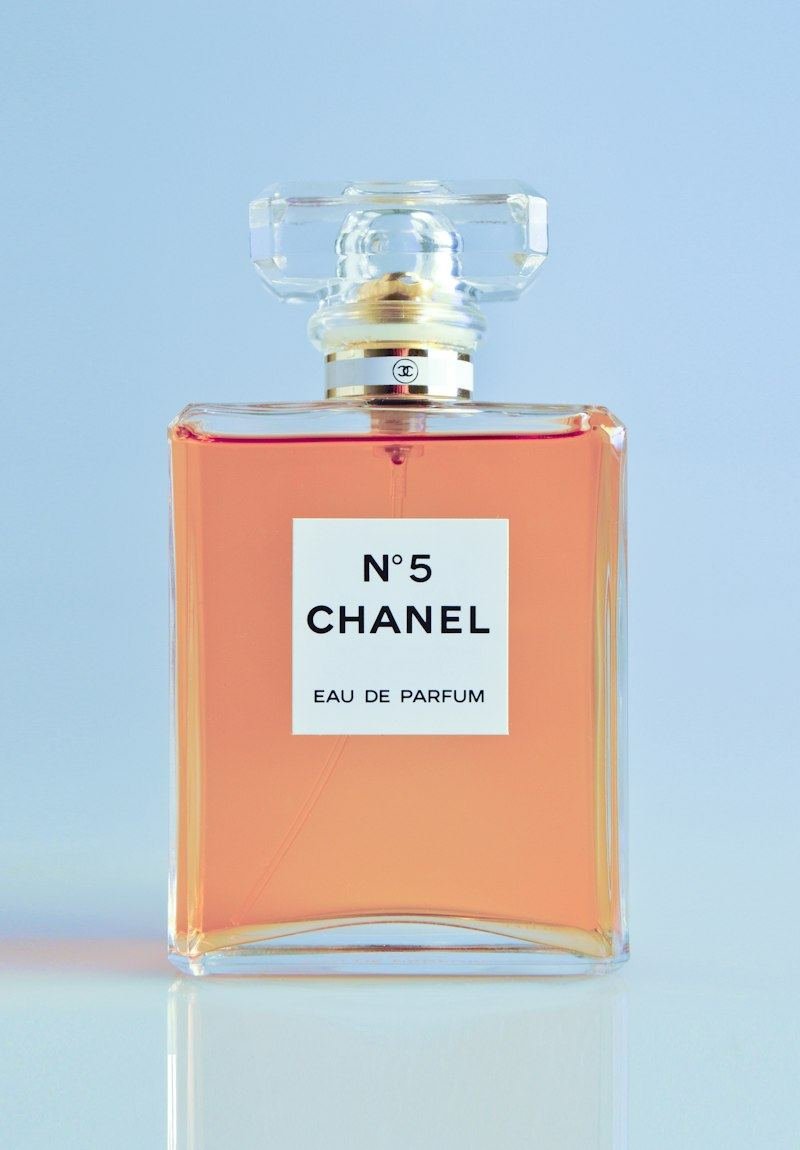
NFC product authentication puts a chip with a factory-locked unique identifier on your product. When a customer taps it with their phone, that identifier is checked against your records and a branded page confirms whether the item is genuine. Because the identifier cannot be reproduced by copying the label artwork, a counterfeiter who clones your packaging still fails at the tap — and you see the attempt in your reporting.
Product-driven brands face three critical hurdles after products leave the shelf.
01
Duplication damages brand equity, erodes consumer trust, and directly impacts revenue.
 02
02
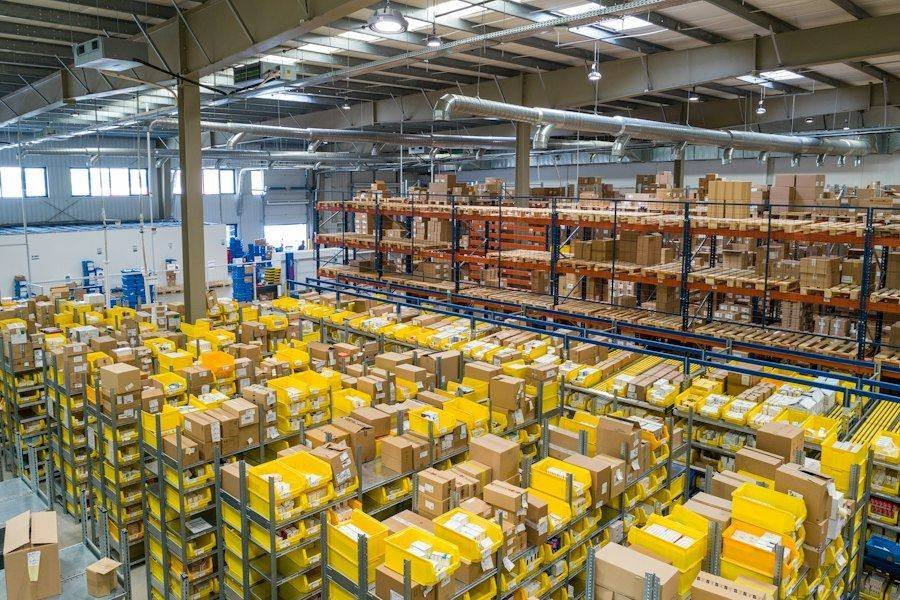
Physical packaging limits the educational material and instructions a brand can share with the buyer.
 03
03
Once a product is purchased, brands often lose the ability to build a direct, ongoing relationship with the end user.
A closed-loop hardware and software ecosystem for smart, interactive products.

High-quality NFC stickers featuring your brand logo, adhered directly to bottles or product packaging.
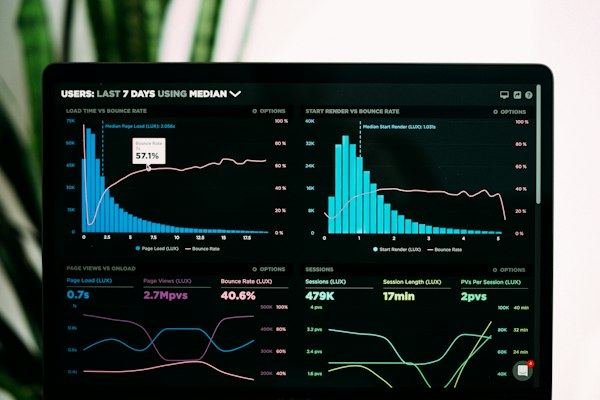
A custom web interface that authenticates products and securely routes customer traffic to your digital properties.
Brand + Product + Consumer
Most authentication products stop at a green tick. That tick is the cheapest part. The value is in what you do with the 20 seconds of undivided attention that follow it.
Each tag carries a unique identifier written at the chip factory and permanently locked. Your tag memory is write-protected so the stored link cannot be altered in the field. When a buyer taps, the page checks the identifier against your batch records and returns a clear result: genuine, or not recognised.
The buyer has your product in one hand and their phone in the other. That is the single best moment you will ever get to explain it. Dosage, ingredients, provenance, care instructions, a two-minute how-to video, a size guide, a warranty registration — all on a page you can rewrite tomorrow without reprinting a single box.
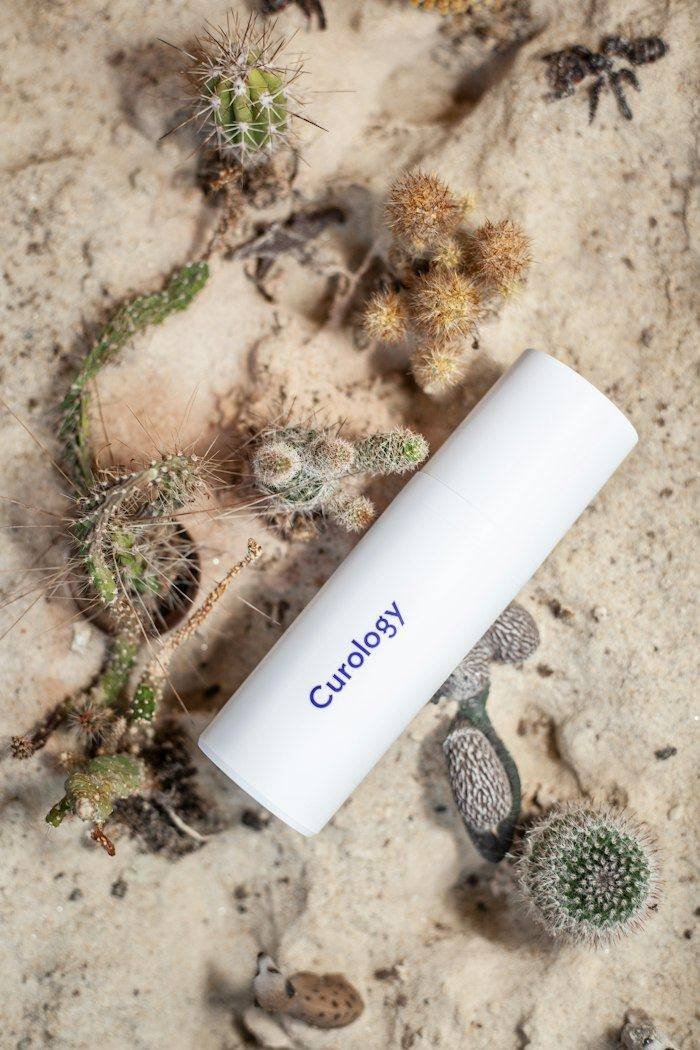
If you sell through retailers, distributors or marketplaces, somebody else owns your customer. A verification tap changes that. At the moment of highest trust — the moment you just proved you are genuine — you can invite the buyer to register ownership, extend a warranty, join a loyalty programme or claim a reorder offer. The list you build is first-party and it is yours.
Glass, card and plastic take a standard inlay. Metal and foil detune one. Getting this wrong is the most common reason an NFC rollout underperforms, so we specify it before anything is printed.
| Product surface | Recommended tag | Typical placement | Notes |
|---|---|---|---|
| Glass bottles — spirits, fragrance, wine | Standard NTAG213 paper or PET label | Neck seal, shoulder or base | Excellent read performance; liquid behind glass has little effect at this distance. |
| Cartons, boxes and folding card | Standard inlay, laminated under the print | Inside flap or base panel | Can be completely invisible from the outside. |
| Metal tins, cans and aerosols | On-metal tag with ferrite isolation layer | Lid or flat side panel | A standard tag will not read reliably here — ferrite is essential. |
| Foil pouches and blister packs | On-metal tag or a card hang-tag | Header card or outer carton | Foil behaves like metal; we usually move the tag to the carton. |
| Soft goods, leather and textiles | Woven or sewn-in fabric tag | Care label or inside seam | Washable formats available for garments. |
| High-risk, high-value items | Tamper-evident frangible label | Across the seal or cap | The antenna is destroyed on removal, so the tag cannot be transplanted. |




We would rather tag one product line properly and show you a real engagement rate than tag everything and hope. Every phase ends with a decision point that is yours.
We look at the product, the packaging material and what you want the tap to achieve. You get a tag specification, a page outline and a fixed quote. On larger runs we produce a physical sample against your real packaging.
Tag artwork goes into print-ready files; the verification page is built to your brand with the education content, the capture form and the onward routing you asked for. You approve a digital proof before anything runs.
Tags are manufactured, individually encoded, serialised against your batch records and locked. They arrive ready to apply on your line or by hand, with application guidance for your team.
You see verification volume, repeat scans, opt-in rate and where in the world taps happen. That is the number you take into the decision about rolling out across the range.
More lines, more regions, deeper integration — connecting verification data to your CRM, your warranty system or your loyalty programme.
A counterfeit does not just cost you one sale. It costs you the customer who used a fake, had a bad experience, and now believes that is what your brand is.
Which is why verification is a marketing problem as much as a security one.Lost revenue is the obvious line. It is rarely the biggest one. The expensive damage is downstream, in places that never appear on a counterfeiting report.
Authentication is only as good as the records behind it. This is the data model — deliberately simple, and deliberately yours.
Suppose somebody buys one of your genuine products, reads the link off the tag, and writes it onto a thousand blank chips. Every one of those fakes opens your page — and every one presents an identifier that is not in your records, so every one returns "not recognised". If instead they copy the whole unit including a valid identifier, you see one identifier verifying in dozens of places at once, which is an anomaly no legitimate product produces.
The question that sinks most authentication projects is not technical. It is "who sticks them on, and does it slow us down?" Here is how we handle it.
Agree these before the pilot starts, not after. It turns the decision to roll out into arithmetic instead of an argument.
What share of units shipped get tapped at least once. The headline number, and the one everything else depends on.
Of the people who verified, how many gave you their details. This is the number that turns a security spend into a marketing asset.
Did they read the usage guidance, watch the video, open the reorder link? This tells you whether the page earns its place.
Units verified more than once mean the page is genuinely useful, not just a novelty on first open.
Unrecognised identifiers and impossible geographic patterns. Low numbers are good news; any numbers are useful intelligence.
Rates vary enormously by category, price point and how clearly the tag is signposted. Rather than quote you an industry average that may not apply, we would rather size a pilot with you and find out what your real number is.
Sometimes true, and we will say so. The test is one line of arithmetic: cents per unit against the value of a single prevented counterfeit, one recovered customer, or one first-party contact. For low-margin volume goods it often does not pay. For anything premium it usually pays several times over.
They will not if the only reward is a green tick. They will if the tap also gives them something — registration, a guide, a warranty, a reorder discount. Design the reward first and the verification comes free with it.
In most cases it does not have to. The inlay goes inside a label you are already applying, so the physical process on the line is unchanged.
They can copy the link. They cannot copy the locked identifier, and they cannot get their copies into your records. That is exactly why authentication checks the identifier rather than trusting that the page opened.
Technical and commercial answers, without the sales gloss. If yours is not here, ask us and we will add it.
Send us a sample of your packaging and we will come back with a tag recommendation and a working demo page.
Request a sampleA counterfeiter can copy a printed label or a QR code with a photocopier. An NFC tag is a chip with a unique, factory-locked identifier that is checked against your records every time it is tapped. Copying the artwork is not enough — without the registered chip, the verification page returns an unverified result, and you see the attempt in your reporting.
We supply tamper-evident tag formats whose antenna is destroyed if the label is peeled, so a removed tag stops working. We also recommend placing tags under a cap, seal or shrink wrap so removal is visible to the buyer.
The same tap that proves authenticity can also teach. The page a buyer lands on can carry dosage or usage instructions, ingredient and sourcing information, care guidance, a how-to video, warranty registration or a reorder link — in the buyer's own language, updated by you at any time without reprinting packaging.
Yes, with the right tag. Standard NFC inlays are detuned by metal, so for metal tins, foil pouches and aerosol cans we specify on-metal tags with a ferrite isolation layer. Glass, plastic, paper and card take standard inlays.
Every verification is a data point you own: which product, which batch, when, roughly where, and whether the buyer chose to register. Where the buyer opts in, you also collect their contact details — a first-party list built at the moment of highest trust.
Most brands start with a single product line or a single batch as a pilot, prove the engagement rate, then scale. We will size the pilot with you rather than pushing a minimum you do not need.
One short call is usually enough to scope it. We will come back with a plan, a sample and a fixed price — normally within one business day.